
House music started in Chicago’s underground clubs during the early 1980s and has since splintered into dozens of recognizable subgenres. What began as DJs spinning disco records through drum machines has evolved into a global phenomenon spanning everything from soulful vocal tracks to festival-shaking anthems.
The main types of house music include Chicago house, deep house, acid house, tech house, progressive house, French house, Afro house, tropical house, electro house, big room house, lo-fi house, slap house, Balearic house, Italo house, and many more. All these styles share the four-on-the-floor kick pattern (typically around 115–130 BPM) but differ significantly in rhythm, sound design, mood, and cultural origins.
This article gives you a clear overview of each type: where and when it appeared, what it sounds like, and a few key house artists or house tracks for reference. Whether you’re a casual listener trying to identify what you’re hearing or a producer looking to understand different house genres, this guide covers the essentials.

What is house music? (quick refresher)
House music is a genre of electronic dance music that evolved from disco music in Chicago’s underground clubs around 1983–1984. It emerged when local DJs began extending and manipulating disco records using new technology, eventually creating entirely original dance tracks that stripped away disco’s orchestral polish in favor of rawer, more mechanical rhythms.
The essential traits of house include a steady four-on-the-floor kick drum, syncopated hi-hats and claps, rolling basslines, and heavy reliance on drum machines like the Roland TR-808 and TR-909. Synthesizers and vocal samples add melodic and textural layers, while the repetitive, hypnotic structure keeps dancers locked into the groove. The typical tempo range sits between 115–130 BPM, and house is almost always written in 4/4 time—designed primarily for clubs and dancefloors where DJs seamlessly blend one track into the next.
The genre’s name comes directly from the Warehouse club in Chicago, where Frankie Knuckles served as resident DJ starting in the late 1970s. Record stores began labeling similar dance tracks as “as heard at the Warehouse,” eventually shortening the category to “house.” This origin story explains why the genre is called house music—it literally refers to the music played at that club.
How house music differs from other electronic genres
House often gets confused with electronic music generally, as well as with closely related genres like techno music and trance music. While all fall under the electronic dance music umbrella, each has distinct characteristics that separate them on the dancefloor.
House vs. techno: Both use four-on-the-floor kicks and electronic instruments, but techno typically focuses on colder, more mechanical, and often atonal synth patterns. Deep techno in particular emphasizes atmospheric, introspective textures and hypnotic long-form arrangements. Techno emerged separately in Detroit around the same time as Chicago house, emphasizing industrial textures and futuristic soundscapes. House, by contrast, leans on groove, warmth, and soulful or vocal elements—it often feels more human and funky than techno’s robotic precision.
House vs. trance: Trance tends to feature longer breakdowns, anthemic supersaw leads, and euphoric builds designed for peak emotional moments. The arrangements are often more structured around dramatic tension and release. House is generally more groove-driven and simpler in arrangement, keeping dancers moving with steady rhythms rather than building toward massive climactic drops.
The term “EDM” or “dance music” functions as a broad umbrella covering dozens of electronic styles. House music stands as one of the foundational pillars within this larger dance music genre, influencing countless other genres and remaining central to club culture worldwide.
Chicago house: where it all began (Chicago, early 1980s)
Chicago house represents the original blueprint for everything that followed. Emerging in clubs like The Warehouse and the Power Plant from roughly 1983–1986, this original Chicago house sound established the template that countless subgenres would later build upon.
The sound was stripped-down and raw: drum machine grooves from the TR-808 and TR-909, funk and disco samples chopped and looped, simple synth basslines, and arrangements that emphasized repetition over complex song structures. This was music designed for extended DJ sets where tracks could run for ten minutes or more, hypnotizing dancers with subtle variations rather than dramatic changes.
Pioneering house music producers and DJs defined this era. Jesse Saunders’ “On and On” (1984) is often cited as one of the first house records. Frankie Knuckles earned the title “Godfather of House” through his influential DJ sets and productions. Larry Heard (also known as Mr. Fingers) brought deeper melodic sensibilities, while Farley “Jackmaster” Funk and Marshall Jefferson helped codify the Chicago piano sound with big string pads and pounding keys. Ron Hardy at the Music Box club pushed the sound in more frenetic directions, championing tracks that would eventually birth acid house.
The history of house music essentially begins here. Many later subgenres—deep house, acid house, and beyond—start from this Chicago template and then exaggerate or twist certain elements to create something new.
Acid house: squelchy synths and rave roots (Chicago/UK, mid-1980s)
Acid house emerged as a mid-1980s offshoot of Chicago house built around one specific piece of gear: the Roland TB-303 bass synthesizer. Originally designed as an automated accompanist for solo musicians, the 303 found new life when producers discovered its distinctive “squelchy” resonant filter sweeps could create hypnotic, almost psychedelic textures.
The sound is unmistakable. Simple, repetitive patterns become otherworldly when the 303’s cutoff, resonance, and accent parameters are tweaked in real-time. The result sits somewhere between robotic and organic—alien yet danceable. Acid house tracks often feel more minimal and driving than other house styles, with the bassline taking center stage rather than vocals or melodic hooks.
The first acid house record is generally considered to be Phuture’s “Acid Tracks,” recorded in 1985 and released in 1987. Created by DJ Pierre, Herb J, and Earl “Spanky” Smith, the track was initially championed by Ron Hardy at the Music Box. Other early acid records like Sleezy D’s “I’ve Lost Control” helped establish the subgenre.
The sound crossed the Atlantic and exploded in the UK during the Second Summer of Love (1988–1989). DJs like Paul Oakenfold, Danny Rampling, and Carl Cox helped fuel the rave wave, with acid house and related acid techno serving as the soundtrack for warehouse parties and outdoor events in London, Manchester, and beyond. This UK connection cemented acid house’s place in the history of house and broader electronic music culture.
Deep house: smooth, soulful and atmospheric (Chicago/UK, late 1980s)
Deep house grew out of Chicago house in the late 1980s, shifting focus toward musicality, jazz-influenced chords, and soulful vocals. Where other house subgenres emphasized the drums and bass, deep house elevated harmony and atmosphere to equal importance.
The sound features warm electric piano or organ chords, subtle pads, rolling basslines, and relaxed tempos often around 120–124 BPM. Drum sounds remain punchy but sit further back in the mix, allowing space for soulful vocals and lush chord progressions. The overall effect is smoother and more introspective than peak-time club tracks.
Key early artists include Larry Heard, whose track “Can You Feel It” (1986, as Mr. Fingers) defined the deep house sound with its dreamy pads and emotional depth. Kerri Chandler and other figures continued developing the style through the 1990s, while Robert Owens’ work with Fingers Inc. demonstrated how powerful vocals could anchor these atmospheric productions.
Germany saw a significant deep house resurgence in the late 2000s, with labels like Innervisions (featuring Henrik Schwarz, Âme, and Dixon) blending live instruments into slow-burn grooves. Âme’s “Rej” epitomized this era-defining style.
It’s worth noting the contrast between classic deep house—underground, jazz/soul-inflected, and DJ-focused—and more commercial 2010s interpretations that borrowed the label but leaned toward pop sensibilities. True deep house thrives in after-hours clubs, lounges, and beach bars where the mood is contemplative rather than frantic.
Progressive house: evolving, melodic journeys (UK/Europe, early 1990s)
Progressive house emerged in early 1990s UK and European club culture, influenced by trance, techno, and Balearic sounds. The name “progressive” doesn’t necessarily mean complex—it refers to tracks that evolve and progress gradually, taking listeners on a journey rather than delivering immediate gratification.
Classic progressive house features long, evolving dance tracks with layered melodies, atmospheric pads, and gradual builds rather than sudden drops. BPM typically ranges from 124–128, and arrangements often stretch past eight or ten minutes to give DJs room for seamless mixing. The focus is on mood and flow rather than individual hooks.
Formative artists include Leftfield, Sasha & John Digweed (whose DJ partnership helped define the sound), and tracks like Spooky’s “Don’t Panic” from the early 1990s. The tribal percussion influences from Dutch and Italian producers also shaped the genre, with tracks like The Traveler’s “Tribal Journey” adding psychedelic, Balearic-trance atmospheres.
The term “progressive house” later became associated with festival-oriented music in the late 2000s and early 2010s, particularly through artists like Deadmau5 and Eric Prydz. This variant retained the melodic sensibility but often featured more dramatic builds and drops suited to large venues. Both interpretations share the emphasis on evolving structure over immediate impact.
Tech house: where house meets techno (UK/Spain, mid-1990s)
Tech house is a hybrid that appeared in the mid-to-late 1990s in UK and Spanish clubs, fusing house rhythms and grooves with techno’s stripped-back precision. It sits at the intersection of both genres, pulling the warmth and swing of house together with techno’s minimalism and the gritty drive of raw techno.
The sound emphasizes tight, punchy drums, rolling sub-heavy basslines, minimal melodic content, and short vocal samples—often spoken phrases or chopped snippets rather than full sung vocals. Bass house elements frequently appear in modern tech house productions, adding extra low-end weight.
Typical BPM ranges from 122–128, with arrangements focused on rhythm and subtle changes rather than big hooks or emotional breakdowns. The music rewards patient listening as layers shift and evolve over time, though it remains relentlessly danceable throughout.
Tech house found its spiritual homes in clubs across London, Ibiza, and other European hotspots. More recently, tracks like FISHER’s “Losing It” (2018) brought the sound into mainstream consciousness, demonstrating how tech house’s rolling grooves could work on festival stages as well as underground clubs. The genre remains one of the most popular house music subgenres in contemporary DJ culture.
French house / filter house: disco through a filter (Paris, early 1990s)
French house (sometimes called filter house) emerged in early-to-mid 1990s Paris, where producers heavily sampled 1970s disco records and ran them through sweeping filters to create something both nostalgic and futuristic. The approach connected directly to disco house traditions while adding distinctly modern production techniques.
The hallmark sound features looped disco samples (often from obscure American funk and disco records), low-pass filter sweeps that open and close over time, punchy TR-909-style drums, and chopped or vocoded vocals. The filters create a “breathing” quality, making familiar samples sound fresh and club-ready.
Iconic releases defined the style: Daft Punk’s “Homework” (1997) brought French house to global attention, while Stardust’s “Music Sounds Better With You” (1998) became one of the decade’s biggest dance tracks. Other genres and labels featured producers like Cassius, Bob Sinclar, and DJ Falcon, all operating within Paris’s fertile scene.
The mood is upbeat, funky, and nostalgic—perfect for late-night clubs and house parties. French house revitalized the genre globally in the late 1990s to 2000s, merging Chicago’s soulful edge with obscure funk melodies and employing digital techniques alongside retro analog synths.
Italo house: piano hooks and Mediterranean euphoria (Italy, late 1980s)
Italo house emerged in late-1980s Italy as local producers put their own spin on Chicago-style rhythms, adding bright piano riffs, lush chords, and euphoric vocals that felt closer to pop or Eurodance at times. This sub genre of house music brought Mediterranean warmth to the dancefloor.
The sound frequently features sampled or newly recorded piano stabs—often those iconic staccato chords that instantly evoke 90s club culture. String pads add cinematic sweep, while soulful vocal lines carry emotional weight. The overall effect is more melodic and accessible than some underground house variants.
Italo house influenced European club hits into the early 1990s, with Italian studios becoming production hubs for dance music aimed at both clubs and charts. Euro house grew from similar roots, emphasizing catchy hooks and crowd-pleasing arrangements.
The genre’s generally uplifting, sunny mood helped connect early underground house with more commercial European dance charts. If you’ve heard a 90s club track with those unmistakable piano stabs and euphoric builds, there’s a good chance it has Italo house DNA.
Balearic house: sun-drenched, eclectic vibes (Ibiza, late 1980s)
Balearic house emerged on the island of Ibiza in the late 1980s, especially through DJs like Alfredo at Amnesia, and later championed by UK DJs including Danny Rampling, Nicky Holloway, and Paul Oakenfold who experienced the island’s unique club culture firsthand.
The sound is eclectic by design: house beats fused with elements from Latin music, rock, dub, soul, and world music. Guitars, horns, and warm keyboards appear alongside drum machines, creating a fusion that prioritizes mood over genre purity. The term “Balearic” essentially describes a DJ approach as much as a specific sound—playing whatever works, regardless of category.
The vibe is laid-back and sunset-friendly, associated with outdoor terraces and beach parties rather than dark, intense clubs. Paradise Garage in New York had similar eclectic sensibilities, though Balearic house specifically references the Mediterranean island context.
This style helped define the Ibiza sound and influenced chill-out and downtempo scenes in the 1990s and 2000s. Attempts to produce “Balearic records” often proved difficult because the genre defies strict definition—it’s more about an atmosphere and open-minded DJ philosophy than specific production rules.
Electro house and big room: festival-ready power (Europe/US, early 2000s)
Electro house emerged in the early 2000s, combining house rhythms with distorted, aggressive synths and punchy, rock-influenced energy. This electro house influenced generation prioritized impact over subtlety, aiming for moments that would ignite festival crowds.
Big room house is a closely related style that exploded around 2010–2014, built around massive builds and simple, anthemic drops. Swedish House Mafia became one of the biggest acts associated with this sound, alongside producers like Martin Garrix, Hardwell, and others who dominated main stages at festivals worldwide.
Common traits include tempos around 126–130 BPM, huge kicks, noisy basslines, sawtooth leads, and arrangements aimed at peak-time moments in large venues. Future house later emerged as a related style, incorporating pitched-down leads and funkier basslines while maintaining the high-energy approach.
Benny Benassi’s “Satisfaction” (2002) represents early electro house at its most effective, while later big room tracks stretched the formula toward maximum crowd impact. The contrast between these styles’ maximalism and the subtler grooves of deep or tech house couldn’t be sharper—they represent opposite ends of the house spectrum.
Afro house: African rhythms in a modern club framework (South Africa, 1990s–2000s)
Afro house emerged from 1990s–2000s South Africa and other African scenes where producers fused local rhythms and instruments with contemporary house production. The result connects electronic beats with rich cultural traditions, creating something both globally accessible and distinctly rooted.
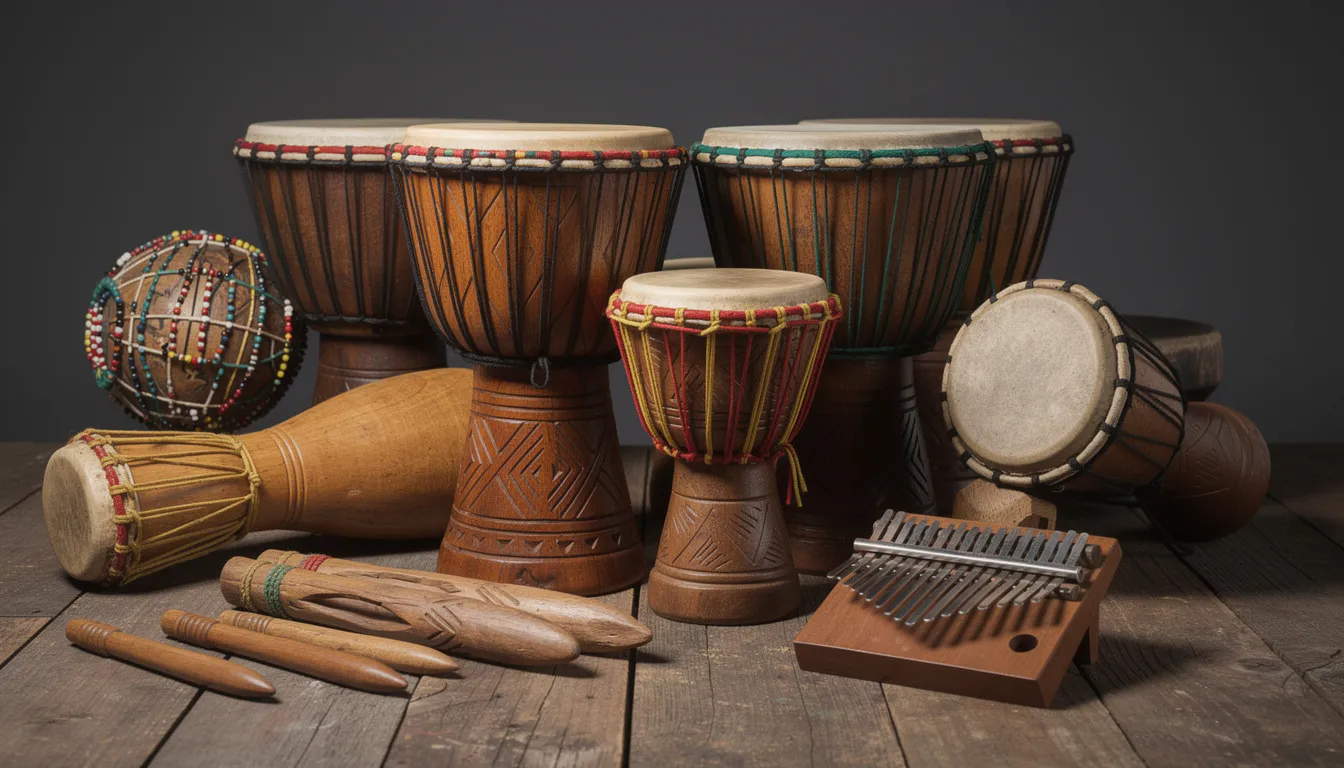
The rhythmic complexity sets Afro house apart: polyrhythmic percussion, hand drums, shakers, and syncopated grooves layer over steady four-on-the-floor kicks. Where other house genres might rely on straightforward drum machine patterns, Afro house often features organic drum sounds and intricate rhythmic interplay.
Common elements include African-inspired vocals, call-and-response chants, and marimba- or kalimba-like melodic motifs. The music often feels warmer and more human than purely electronic productions, reflecting its live instrumentation influences.
Influential modern Afro house figures like Black Coffee have helped export the sound to Europe and beyond, performing at major festivals and clubs worldwide. Culoe De Song and various collectives have similarly bridged African and international scenes. The genre emphasizes cultural roots and community vibes as much as sonic innovation.
Tropical house: laid-back, beachside melodies (Europe, 2010s)
Tropical house emerged as a 2010s offshoot of deep house and pop EDM, gaining popularity through streaming platforms, YouTube channels, and summer festival circuits. The style brought electronic dance music into coffee shops and beach bars as much as clubs.
The signature sounds include gentle plucked synths or mallets, steel drums or marimba timbres, reverb-laden sax or flute leads, and relaxed tempos around 110–120 BPM. Electronic instruments create warm, organic textures rather than aggressive synthetic walls of sound.
Breakout artists like Kygo defined the style with remixes and singles like “Firestone” (2014), bringing tropical house to mainstream audiences. The sound was sometimes called house because it shared the basic rhythmic foundation, though purists noted its significant departures from club-oriented styles.
Tropical house often features catchy, pop-oriented vocal hooks and a warm, summer-themed aesthetic used heavily in festival and commercial contexts. It’s music for sunsets, beach parties, and relaxed gatherings—a far cry from the intense energy of electro or big room productions.
Lo-fi house: nostalgic, dusty club sounds (online underground, mid-2010s)
Lo-fi house emerged in the mid-2010s online underground, spreading via YouTube channels, SoundCloud, and limited-run vinyl labels. It represented a deliberate step back from polished production toward something warmer and more imperfect.
The defining sonic traits include intentionally degraded audio quality: tape hiss, vinyl crackle, saturated drums, and hazy, melancholic melodies. These textures reference both classic house records and the parallel lo-fi hip hop movement that gained similar traction online.
The style combines classic house rhythms and tech house structures with a muted, dreamy vibe, often using retro synths and sampled chords run through analog processing or digital emulations. The result feels nostalgic and intimate—like hearing a recording studio transmission from another era.
Notable names include DJ Boring and Ross From Friends, who gained attention through viral uploads and underground releases. The genre proved that house music could move backward aesthetically while still pushing forward creatively, emphasizing mood and texture over technical perfection.
Slap house and modern hybrid styles (Brazil & global, late 2010s)
Slap house represents a late-2010s development associated with Brazilian bass and European pop EDM, gaining popularity on streaming platforms and radio playlists. The genre demonstrates how house continues evolving and hybridizing in real-time.
The sound features deep house-style vocals, tight and punchy “slap” basslines (hence the name), minimal melodic content in drops, and heavily compressed, club-ready low end. The bass character sits somewhere between trap’s 808s and classic house’s rolling subs, creating a distinctive bounce.
Artists like Alok and Imanbek helped bring this sound into the mainstream, blending elements from trap, EDM, and commercial house. The genre shows how current house music constantly experiments, leading to hybrid subgenres that mix features from tech house, bass house, future house, and more.
Latin house similarly demonstrates this fusion tendency, incorporating Latin American rhythms and instrumentation into house frameworks. These hybrid styles position contemporary house as part of an ongoing evolution rather than a fixed historical category—garage music, disco records, and hip hop all continue feeding into new variations.
How to explore and recognize different types of house music
The best way to develop your ear for different house genres is active listening. Pay attention to key elements: tempo, drum patterns, bass character, chord choices, and vocal style. Is the kick punchy and driving or soft and deep? Are there soulful vocals or is it purely instrumental? Does the arrangement build dramatically or maintain a steady groove?
Practical exploration methods include curated Spotify or YouTube playlists organized by subgenre, classic compilation albums from specific eras, and recorded DJ sets from legendary clubs or festivals. Many labels focus on specific styles—searching for “Trax Records” or “Defected” will yield very different results.
Try direct comparison: play a classic house track from Paul Johnson alongside a 2013 big room anthem to hear how production approaches differ. Compare Larry Heard’s melodic deep house with FISHER’s rolling tech house grooves. Listen to how acid tracks use the 303 versus how French house uses filter sweeps. These comparisons sharpen your ability to identify what you’re hearing.
For producers, recreating the basic house beat and bass patterns of each style serves as an excellent learning exercise. Start with a simple house rhythms pattern—four-on-the-floor kick, offbeat hi-hats—then experiment with the elements that distinguish each subgenre.
Understanding the types of house music deepens appreciation of both its rich history and modern diversity. From Chicago’s Warehouse club to Ibiza’s terraces to YouTube’s underground channels, house has always evolved by absorbing new influences while maintaining that essential groove. Play house music from any era and you’ll find the same fundamental invitation: keep moving, stay present, and let the rhythm carry you forward.