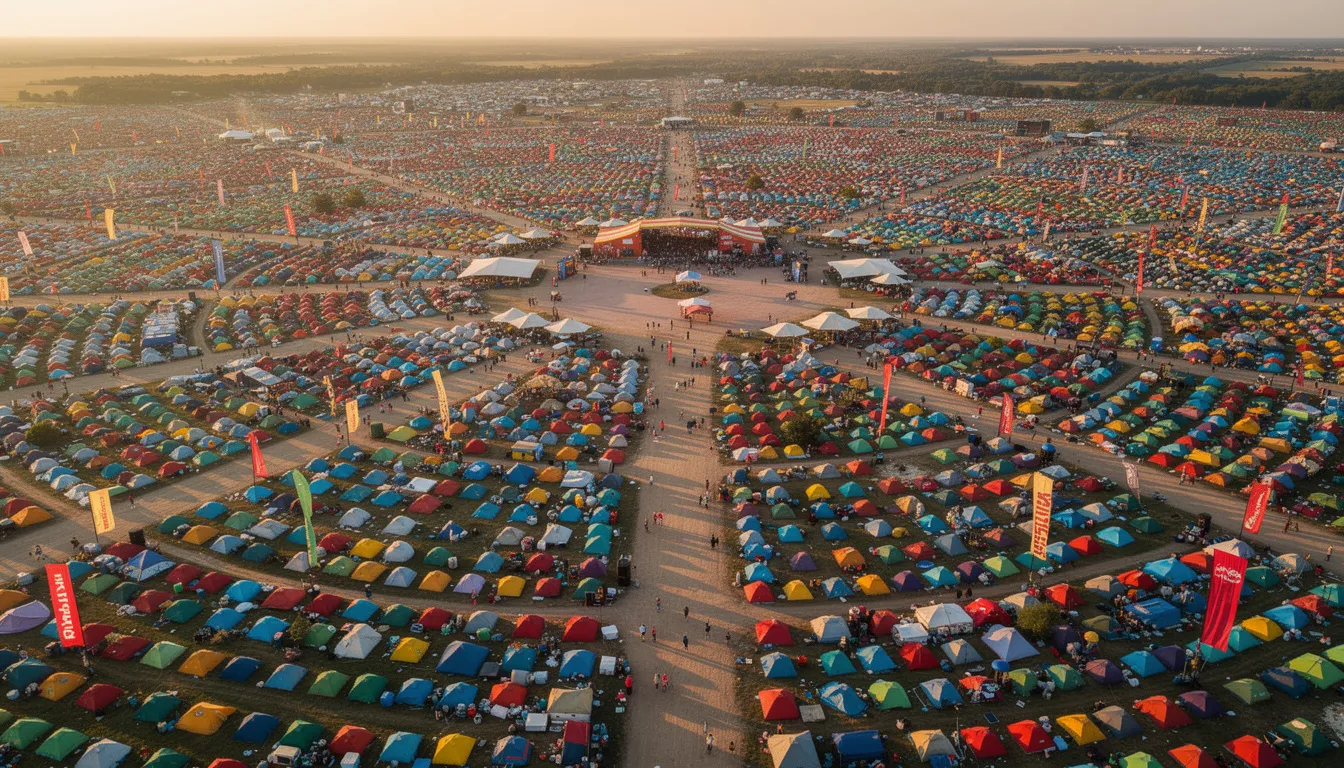
When music lovers ask about the biggest rave in the world, one name dominates the conversation: Tomorrowland. This Belgian mega-festival has transformed from a modest electronic music gathering into the gold standard for global EDM events, attracting hundreds of thousands of fans from every corner of the globe.
Quick Answer: What Is the Biggest Rave in the World?
Tomorrowland Belgium, held annually in Boom (a small town between Antwerp and Brussels), is widely considered the biggest rave in the world by nearly every metric that matters—attendance, production scale, and international influence. Launched in 2005 by brothers Manu and Michiel Beers, the festival now spans two weekends in July, drawing over 400,000 attendees and featuring more than 400 DJs across its sprawling festival grounds.
What makes Tomorrowland the undisputed champion? Start with its legendary mainstage—a multi-story architectural marvel rebuilt from scratch each year with moving parts, waterfalls, and pyrotechnics that dwarf anything else in the scene. Add 10+ additional stages, tickets that sell out within minutes of release, and a fanbase spanning over 200 countries. Then factor in global editions in Brazil, France (the Winter edition), and Thailand (launching in 2026), and you begin to understand why this event sits at the top.
Other contenders like Electric Daisy Carnival in Las Vegas and Ultra Music Festival in Miami are massive in their own right, each pulling 150,000-400,000 fans annually. But Tomorrowland’s combination of fantasy-world theming, international travel packages, and cultural impact consistently earns it the title of biggest rave on the planet.
From Underground Raves to the Biggest Festival on Earth
The journey from illegal warehouse parties to stadium-sized spectacles happened faster than anyone could have predicted. In the late 1980s, acid house and techno gatherings in the UK and Europe operated in the shadows—unlicensed, unpredictable, and fueled by a sense of freedom that mainstream culture couldn’t provide. Read more about the origins or techno.
By the 1990s, that underground energy began breaking through. Germany’s Love Parade became a defining moment in rave history, peaking between 1999 and 2000 with crowds exceeding one million people flooding Berlin’s streets. Across the Atlantic, Ultra Music Festival launched in Miami in 1999, while Electric Daisy Carnival was already happening in mid-1990s Los Angeles. These events marked the shift from DIY raves to professionally organized festivals with proper infrastructure, big names on the lineup, and corporate sponsorships.
This evolution set the stage for what would become the world’s biggest rave. When Tomorrowland debuted in August 2005 at De Schorre recreation area in Boom, Belgium, few could have imagined it would become the benchmark against which all other electronic music events are measured. The festival captured the original rave ethos—unity, community, and losing yourself in the music—while scaling it to a level previously thought impossible.
Tomorrowland Belgium: The World’s Biggest Rave Experience
When people talk about the biggest rave in the world, they’re talking about Tomorrowland Belgium. The core event in Boom remains the heartbeat of the entire operation, drawing festival goers from every inhabited continent for a weekend (or two) of unmatched electronic music and production.
The festival’s growth reads like a startup success story. The first edition in August 2005 attracted roughly 10,000 attendees—impressive but modest. By the early 2010s, word of mouth and YouTube aftermovies had turned Tomorrowland into a global phenomenon. In 2014, organizers added a second weekend to meet overwhelming demand. COVID cancellations in 2020 and 2021 paused the momentum, but by 2022-2024, record-breaking attendance returned.
De Schorre recreation area provides a unique canvas for this experience. The park transforms each July into a fantasy realm where reality fades and the music takes over. Rolling green spaces, wooded areas, and a central lake become home to elaborate stage constructions that look like they belong in a big-budget fantasy film rather than a music festival.
Attendance numbers tell part of the story: 180,000-200,000 per weekend by the mid-2010s, scaling to 400,000+ visitors across both weekends in recent years. Attendees arrive from over 200 countries, making this arguably the most internationally diverse event in the world.
What truly sets Tomorrowland apart is its annual theme. Each year’s festival tells a story—“The Book of Wisdom,” “The Elixir of Life,” “The Story of Planaxis”—with every stage design, decoration, and piece of marketing material woven into that narrative. This isn’t just a music festival; it’s an immersive experience where even the food vendors and camping areas feel like part of something larger.
Mainstage and Production: Why Tomorrowland Looks the Biggest
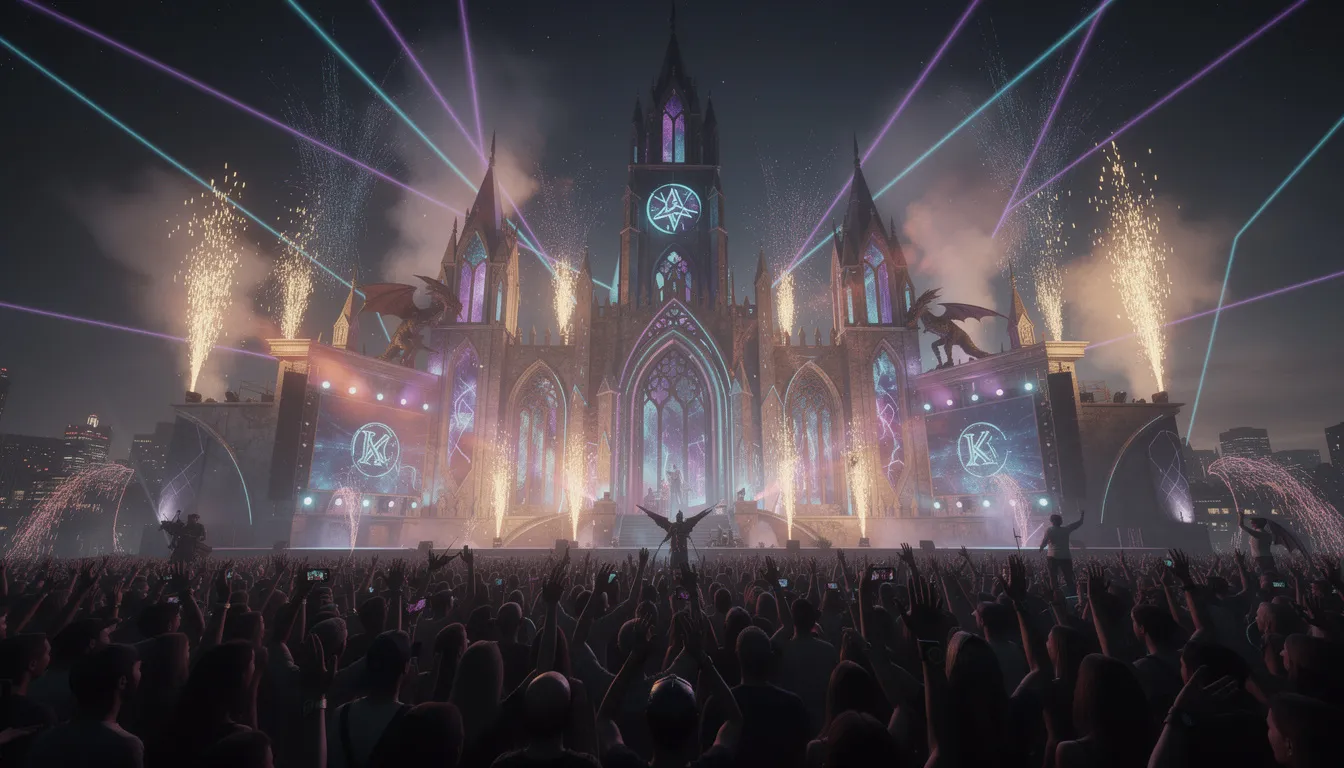
The Tomorrowland mainstage has become the visual symbol of modern rave culture. When that first drone shot reveals the full structure during the live stream, viewers around the globe understand why this event earned its reputation.
Engineering teams spend months creating what amounts to a temporary architectural wonder. The mainstage typically stretches over 100 meters wide, rising multiple stories high with moving components, cascading water features, synchronized pyrotechnics, and LED screens that wrap around dancers and DJs alike. Each year brings a completely new design built from scratch—a level of commitment to production that no other EDM festival matches consistently.
Consider some legendary examples: the 2012-2013 “Book of Wisdom” stage featured a giant open book design that became instantly iconic. The 2015 “Kingdom of Melodia” transformed the mainstage into a towering castle. By 2019’s “The Book of Wisdom – The Return,” production teams had pushed even further with intricate moving details that seemed impossible at festival scale.
When headliners like Martin Garrix, Armin van Buuren, or Dimitri Vegas & Like Mike take the main stages, they’re backed by synchronized fireworks, drone shows, laser mapping, and custom intro videos created specifically for their sets. Swedish House Mafia’s appearances have become the stuff of legend, with production teams coordinating every light flash and pyrotechnic burst to the beat.
Beyond the mainstage, Tomorrowland operates like a miniature city of stages. The Freedom Stage, Atmosphere, The Rose Garden, and numerous other areas each offer distinct vibes and production styles. A seasoned raver might spend an entire weekend exploring without ever returning to the mainstage, finding unexpected talent and unique experiences at every turn.
Lineup and Genres: The Soundtrack of the Biggest Rave
The Tomorrowland lineup functions as a who’s-who of electronic music, blending mainstream EDM superstars with underground legends and rising talent. This diverse lineup ensures that whether you’re chasing euphoric main stage anthems or deep techno grooves, you’ll find your sound somewhere on site.
Headliner history reads like a hall of fame: David Guetta, Tiësto, Carl Cox, Charlotte de Witte, Hardwell, Alesso, Afrojack, and dozens more have graced these stages across the festival’s history. The event famously hosted Swedish House Mafia during their original run and has continued to book them for reunion performances. Armin van Buuren has become virtually synonymous with Tomorrowland, delivering some of the most memorable sets in the festival’s history.
Genre variety keeps things fresh across the site. The mainstage typically features big-room and progressive house—the kind of dance music that makes 50,000 people jump in unison. But venture to other areas and you’ll find dedicated stages for techno, trance, drum & bass, hardstyle, and more niche electronic music genres. This approach ensures appeal to both casual fans who know just the music from radio hits and dedicated ravers seeking cutting-edge sounds, including aspiring producers looking for EDM and techno music production tools. .
The sheer volume is staggering: hundreds of DJs and live acts perform across 10+ stages over two weekends, creating one of the densest artist lineups in the world. The programming team’s ability to curate surprise B2B sets and exclusive performances keeps the festival at the top of every serious electronic music fan’s bucket list.
Beyond Boom: Global Editions of the Biggest Rave Brand
Tomorrowland evolved from a single Belgian event into a worldwide phenomenon with international spin-offs and seasonal editions that extend the brand’s reach across continents and calendars. These global editions bring the biggest rave experience to audiences who might never make it to Europe, while maintaining the production values and community spirit that define the original.
The expansion strategy positions Tomorrowland not just as a festival but as a must visit destination brand. Whether you’re dancing under the South American sun, carving through Alpine powder between sets, or eventually experiencing the Asian debut, the core promise remains consistent: world-class production, international community, and unforgettable nights.
Tomorrowland Brasil: The South American Super‑Rave
Tomorrowland Brasil brings the biggest rave brand to South America with massive attendance figures and production values that rival the Belgian original. The event proved that the Tomorrowland formula could translate across cultures and hemispheres.
The Brazilian edition first landed in Itu, São Paulo state, in 2015 and 2016, with the inaugural year’s festival selling approximately 180,000 tickets. After a hiatus due to economic conditions in Brazil, the event returned triumphantly in October 2023 and again in 2024, with the most recent edition attracting over 150,000 attendees across the weekend at Parque Maeda.
Lineups have featured a mix of international superstars and regional talent that fans demand. Armin van Buuren, David Guetta, Hardwell, Axwell & Ingrosso, Dimitri Vegas & Like Mike, and Brazilian superstar Alok have all appeared. Alok’s 2024 drone show became a highlight, demonstrating how local artists can create moments that match any international headliner.
The Brazilian edition hasn’t been without challenges. The 2023 event was partly cancelled on the second day due to heavy rain, with organizers making the call to prioritize safety over spectacle—a decision that reinforced the brand’s professionalism even as fans understandably expressed frustration. Refunds were issued, and the brand’s reputation remained strong enough to bring an even bigger crowd back in 2024.
Tomorrowland Winter: Alpine Edition of the World’s Biggest Rave
Tomorrowland Winter merges two seemingly unrelated experiences: world-class skiing and world-class electronic music. The snow-covered spin-off launched in March 2019 in Alpe d’Huez, France, creating an entirely new festival format.
The timeline reflects both ambition and resilience. The inaugural 2019 event exceeded expectations, with festival goers skiing during the day and raving into the night. COVID-19 forced cancellation of the 2020 and 2021 editions, but the festival returned in 2022 and 2023 with continued success. Organizers have announced contracts extending through 2030, signaling long-term commitment to this unique experience.
The setup feels almost surreal. Festival packages include lift passes and accommodation, turning the event into a full resort experience. Stages built on mountain slopes and in indoor arenas host artists like Martin Garrix, Armin van Buuren, and Afrojack performing against backdrops of snow-capped peaks. It’s a unique experience that no other major festival has replicated at this scale.
Critics have raised concerns about environmental impact on the Alps and questioned whether scaled-back post-pandemic editions matched the original vision. Local activists have debated the festival’s footprint. But for fans, Tomorrowland Winter represents the brand’s ability to innovate—extending the biggest rave experience into a different season and environment while maintaining the core magic.
Tomorrowland Thailand: Asia Joins the Mega‑Festival Club
Tomorrowland Thailand marks the brand’s first full-scale expansion into Asia, announced for 2026. This move brings the world’s biggest rave experience to a region with massive and growing EDM fanbases.
The event will take place at Wisdom Valley in Pattaya, Thailand, planned over multiple days with several stages mirroring the Belgian blueprint. While specific lineup details await future announcements, the infrastructure investment and site selection suggest an event designed to compete with the European and South American editions in scale and production quality.
Strategic importance cannot be overstated. Asia represents enormous untapped potential for major Western festival brands. Thailand, Japan, South Korea, and surrounding countries boast passionate electronic music communities that have historically traveled to Europe or Australia for top-tier festival experiences. Tomorrowland Thailand brings the mountain to them.
Expectations run high. A combination of international headliners and regional artists seems likely, along with strong tourism draw for Pattaya and significant local economic impact. This expansion signals that the world’s biggest rave is no longer bound to Europe—it’s becoming a truly global circuit where fans might attend different editions across multiple continents.
What Makes a Rave the “Biggest”? Criteria and Contenders
Defining “biggest rave in the world” requires clarifying what “biggest” actually means. Different metrics tell different stories, and understanding these criteria helps explain why Tomorrowland consistently earns the top spot while other events have legitimate claims to greatness.
Total attendance per edition provides the most obvious metric—Tomorrowland and Electric Daisy Carnival both exceed 400,000 across their multi-day events. But raw numbers only tell part of the story. Number of countries represented matters too; Tomorrowland’s 200+ nations give it an internationalism few events match. Stage size and complexity factor in, as does total number of artists and stages, global media reach through streams and social platforms, and economic impact on host regions.
Several contenders deserve recognition in any honest assessment. Electric Daisy Carnival Las Vegas regularly matches Tomorrowland’s attendance across three nights in the Nevada desert. Ultra Music Festival in Miami functions as the season-opening giant of the EDM calendar. Rock in Rio, while multi-genre rather than purely electronic, has drawn crowds exceeding 700,000 across its multi-week run. Historical events like Love Parade (before its tragic 2010 final edition) achieved single-day attendance that dwarfed any modern festival.
The distinction comes down to focus. Rock in Rio and events like Summerfest (which Guinness once certified as the world’s largest music festival) spread across multiple genres. Tomorrowland is uniquely positioned as the biggest dedicated electronic music rave with a unified theme, consistent brand identity, and global expansion strategy. When you’re talking purely about rave culture and dance music, Tomorrowland stands alone at the summit.
Tomorrowland vs. EDC vs. Ultra: The Big Three EDM Mega‑Festivals
The modern EDM landscape revolves around three colossal events: Tomorrowland, Electric Daisy Carnival Las Vegas, and Ultra Music Festival Miami. Each attracts hundreds of thousands of fans and massive lineups, but meaningful differences separate them.
Electric Daisy Carnival, held annually in May at Las Vegas Motor Speedway, offers a distinctly American vision of rave culture. Attendance often exceeds 400,000 across three nights, with the event running from dusk until dawn under the desert stars. The iconic neon carnival aesthetic features actual rides, art cars roaming the grounds, and a sensory overload that feels more Vegas than anywhere else. The bassPOD stage for dubstep, bass house, and drum & bass draws fans seeking the heaviest sounds on the planet.
Ultra Music Festival operates differently. Held in March at Bayfront Park in downtown Miami, it functions as the “season opener” for the global EDM calendar, coinciding with Miami Music Week and the Winter Music Conference. The urban waterfront backdrop, live broadcast culture that has debuted countless tracks and set premieres, and strong connections with the global DJ industry give Ultra a distinct identity. The Sziget Festival, Sonar Festival, and Sunburn Festival offer regional alternatives, but Ultra remains the Americas’ most prestigious EDM event outside of EDC.
Comparing experiences reveals core differences. Tomorrowland’s fantasy storytelling and global journey packages create an escapist fairytale atmosphere where every detail serves the year’s festival theme. EDC’s neon carnival and nocturnal desert vibe emphasize American excess and freedom—arrive early, stay until sunrise. Ultra’s urban sophistication and live-broadcast DNA make it feel like an industry event as much as a party.
So which earns the “biggest rave in the world” crown? While all three are enormous, Tomorrowland’s multi-weekend scale, elaborate theming, global editions, and international audience diversity typically secure that title. EDC matches attendance, but Tomorrowland’s worldwide footprint and cultural penetration tip the scales.
The Economy and Infrastructure of the Biggest Rave
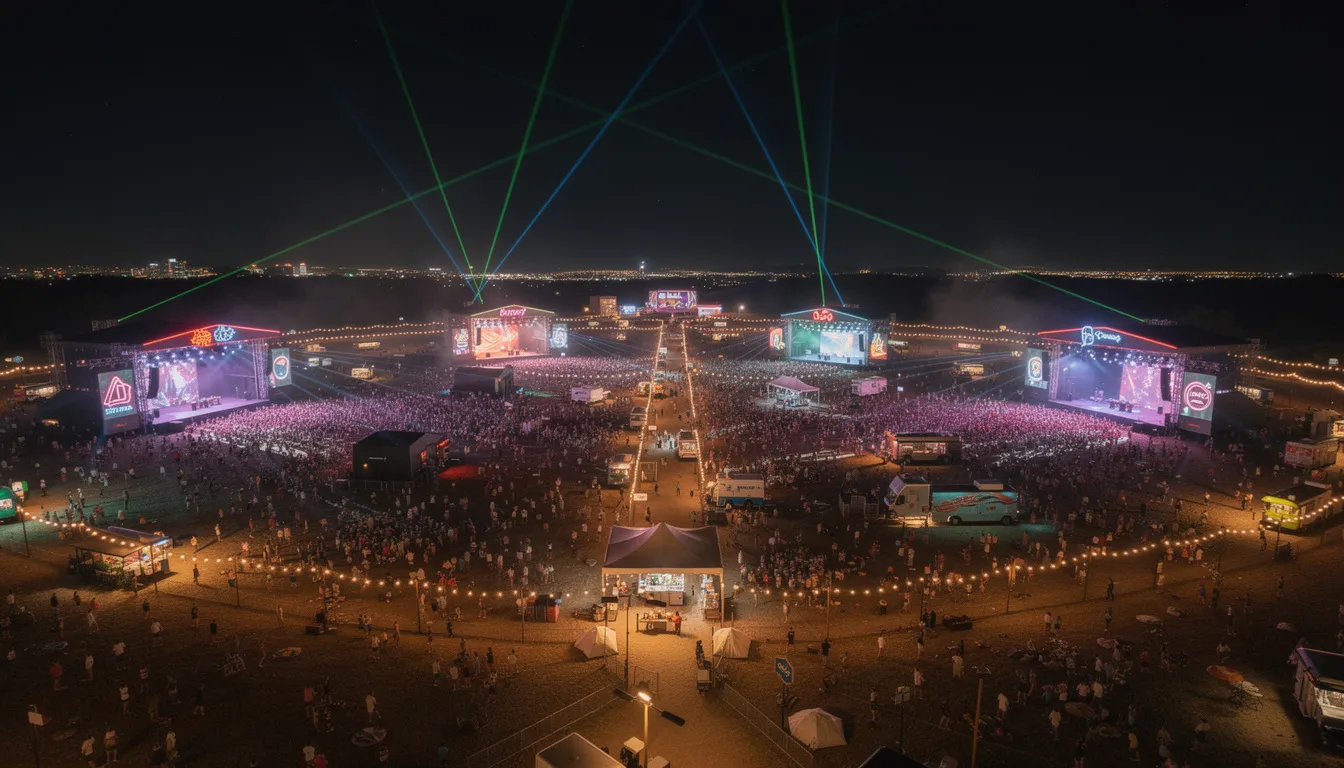
Running the world’s biggest rave requires logistical operations that rival small cities. The investment, staffing, and planning needed to pull off an event of this magnitude represent a year-round effort with significant economic impact on host regions.
The numbers tell the story. By 2016-2017, Tomorrowland’s contribution to the Belgian economy reached approximately €100 million annually through tourism, jobs, and services. Earlier reports from 2013 already showed impact around €70 million. This isn’t just ticket revenue—it’s hotels filled across Antwerp and Brussels, restaurants serving hundreds of thousands of international visitors, and transportation systems running at capacity for weeks.
Employment scales dramatically during event periods. A core full-time team of around 80 works year-round on planning and production. During the festival itself, that number explodes to approximately 15,000 workers handling construction, security, catering, cleaning, transport, and operations. The temporary stages alone require months of construction from specialized crews.
Infrastructure challenges test every system. Building and rebuilding elaborate stages and temporary villages annually demands precision engineering. Expanding local transport options—shuttles, parking, coordination with airports—requires cooperation with regional authorities. Managing power, water, and waste for hundreds of thousands of visitors creates environmental and logistical puzzles. Safety and crowd control protocols involve police, medical teams, and emergency services operating at peak capacity.
Similar economic stories played out with international expansions. TomorrowWorld, the festival’s US edition near Atlanta, generated over $85 million for the local economy in its first edition before weather and logistical issues in 2015 led to its cancellation after just three years. The Brazil edition contributes significantly to São Paulo state’s tourism economy, demonstrating the formula’s export potential.
Catering, Accommodation, and DreamVille
DreamVille represents Tomorrowland’s answer to a fundamental question: where do 200,000+ people sleep? The dedicated camping city has become integral to the full experience, transforming the event from a day festival into a multi-day events community.
The scope is remarkable. Seven or more distinct camping areas offer options ranging from standard plots (bring your own tent) to pre-pitched accommodations, luxury lockable suites, and even upscale mansion packages. Those preferring traditional hotels can book rooms in nearby cities like Brussels through official partnerships, with shuttle services connecting them to the festival grounds.
On-site amenities turn DreamVille into a functioning temporary town. Markets, food courts, showers, chill-out areas, and pre-party events keep attendees entertained even before main stages open. Friends gather around campfires, international groups exchange flags and stories, and the sense of community that defines rave culture thrives in this temporary home.
Catering diversity reflects the international crowd. Global street food options ensure visitors from 200+ countries can find familiar flavors, while Belgian specialties like frites and waffles satisfy those seeking local fare. Vegetarian and vegan choices have expanded significantly in recent years, and premium dining options exist for those willing to pay.
This infrastructure demonstrates that “biggest rave” extends beyond stages and music. Tomorrowland builds a functioning, comfortable micro-city where a global community can live together for a weekend—an operation as impressive as any musical lineup.
Media, Live Streams, and Global Community
Digital media transformed Tomorrowland from a local Belgian festival into a global, always-on brand that reaches hundreds of millions who will never set foot in Boom. This media strategy amplifies the “biggest rave” perception far beyond physical attendance.
Since around 2011, Tomorrowland has professionally filmed performances and published them across platforms. The official YouTube channel has amassed over 11 million subscribers by 2024, with individual aftermovies and set recordings generating billions of cumulative views. The 2012 aftermovie alone achieved over 100 million views, creating a viral template that other festivals have struggled to replicate.
Official live streams allow global audiences to experience sets in real-time, creating a shared moment that transcends geography. Recap videos and annual aftermovies serve as both marketing tools and cultural artifacts—some fans plan their attendance specifically after watching these productions. This strategy means that even non-attendees feel connected to the event, expanding Tomorrowland’s community far beyond physical capacity limits.
Strategic partnerships extend reach further. Sponsorships with Coca-Cola, Budweiser, Brussels Airlines, and regional partners like Dance FM UAE help distribute content and run campaigns across markets worldwide. A press release from Tomorrowland generates coverage across electronic music media, mainstream entertainment outlets, and travel publications simultaneously.
The creating of this digital ecosystem means the world’s biggest rave happens both in Belgium and everywhere else. Whether you’re watching from Tokyo, São Paulo, or Johannesburg, you can participate in the spectacle—and many who do eventually become the attendees filling DreamVille.
Unite with Tomorrowland: Synchronized Raves Across Continents
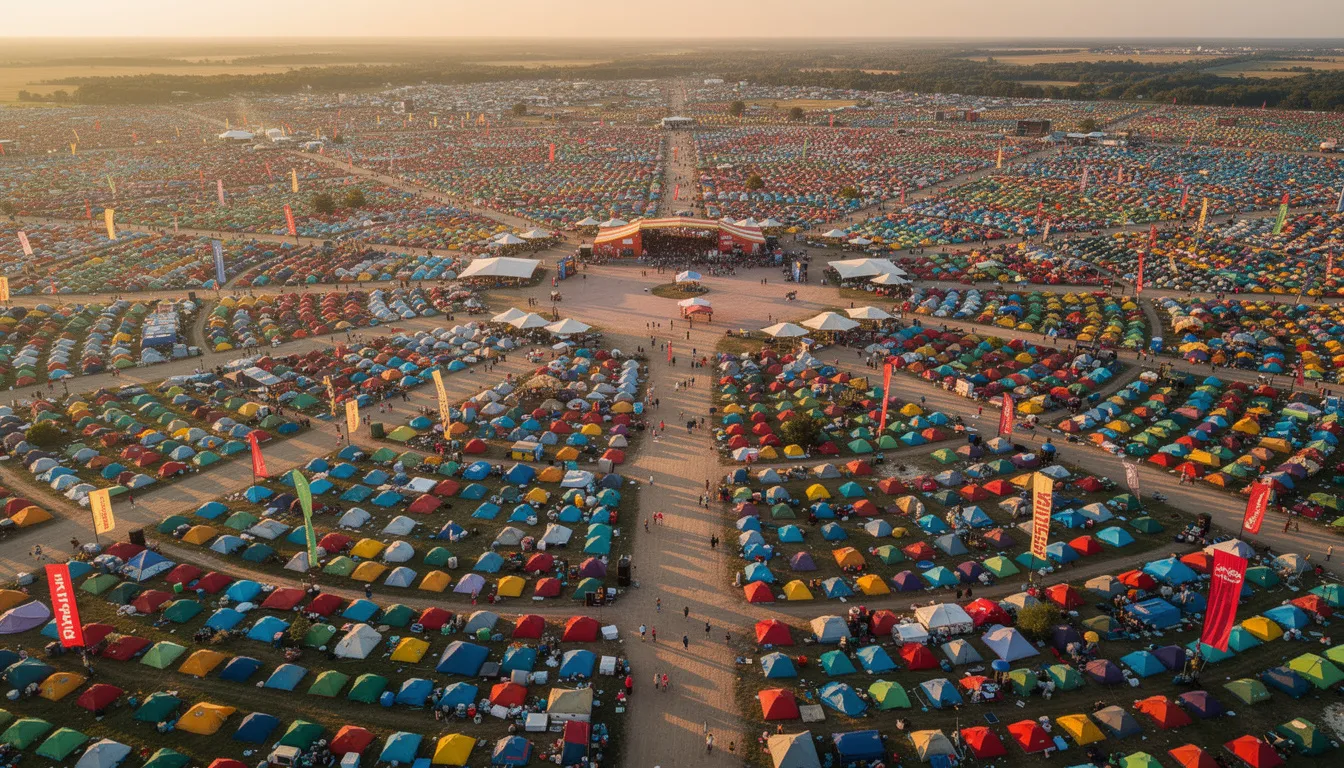
Unite with Tomorrowland takes the global community concept to its logical extreme: satellite events held simultaneously in cities worldwide, connected to the main Belgium festival via live video feeds. These events have happened in Dubai, Barcelona, Germany, Spain, Israel, and other locations, creating a “shared rave” that spans time zones.
The format blends local and global. Regional stages feature area headliners and rising talent, giving local artists exposure to the Tomorrowland brand. Meanwhile, synchronization with live streams from the Belgian mainstage creates moments where thousands across continents experience the same drop at the same moment. It’s a technological and logistical achievement that reinforces Tomorrowland’s position as a global movement rather than just a festival.
These events haven’t been without incident. The 2017 Barcelona Unite event was cut short due to a stage fire—fortunately without serious injuries, but a reminder of the risks inherent in large-scale events. In 2019, storm damage at the Freedom Stage in Belgium forced rapid modifications for the second weekend, with organizers adapting quickly to ensure safety while maintaining the show.
Such incidents, handled professionally and transparently, actually reinforce Tomorrowland’s reputation. Crisis management and responsive communication demonstrate that the world’s biggest rave network is operated by professionals who prioritize safety alongside spectacle.
Planning Your Trip to the World’s Biggest Rave
Attending Tomorrowland requires serious advance planning. This isn’t the kind of event where you decide on Thursday to go Saturday—demand far exceeds supply, and logistics require months of preparation.
Ticket strategy starts with understanding the system. Pre-register on the official website well before sales begin (typically announced in March or earlier). Global Journey packages, which bundle flights, hotels, and festival access, often offer the best chance at securing tickets since they’re less competitive than general sales. Standard ticket sales can sell out within minutes—sometimes seconds—so be prepared with fast internet, multiple devices, and low expectations.
Travel logistics depend on your starting point. Flying into Brussels or Antwerp for the Belgium edition is standard, with official shuttle services connecting airports to the festival grounds. Plan extra days on either end—you’ll want recovery time, and exploring Belgium, with its medieval cities and famous beer culture, makes the trip more than just a festival visit.
Budget considerations vary wildly based on distance and comfort level. Ticket tiers range from standard (a few hundred euros) to comfort and VIP options (significantly more). DreamVille camping adds costs depending on accommodation type, while hotel packages in Brussels can push totals higher. Factor in travel, food, merchandise, and you’re looking at four-to-five figure total budgets for international attendees. Early planning—booking flights months in advance, for instance—helps control costs.
Personal preparation matters. Check weather forecasts (Belgian July can mean heat, rain, or both). Pack festival essentials: comfortable shoes, layers, portable phone chargers, and earplugs. Download the official app to navigate dozens of stages efficiently—knowing the arena layout and timetable prevents missing announced sets you planned to catch. Understand safety guidelines and know where medical facilities are located. This isn’t about paranoia; it’s about ensuring your once-in-a-lifetime experience stays positive.
Choosing Between Tomorrowland and Other Mega‑Raves
While Tomorrowland often tops bucket list rankings, some travelers may prefer alternatives based on music taste, location, or experience style. Understanding the options helps you make the right choice.
Music taste should drive decision-making. Tomorrowland and EDC offer the broadest EDM programming, from main stage anthems to underground techno. Ultra Miami provides cutting-edge sounds with strong connections to the Miami club scene during Music Week. If heavy techno is your preference, consider specialized events like Awakenings in the Netherlands or Time Warp in Germany. For trance purists, A State of Trance events or Luminosity Beach Festival might hit harder than any mega-festival.
Experiential differences matter. Tomorrowland’s fairytale theming and international camping city create an escapist atmosphere where the real world disappears. EDC’s all-night carnival rides and Vegas adjacency deliver American excess and nocturnal freedom. Ultra’s urban skyline backdrop offers a different aesthetic—you’re clearly in Miami, not a fantasy world. Regional options like Sunburn Festival in India bring similar scale with distinct cultural flavor.
For many fans, the answer is: attend multiple over time. Treat Tomorrowland as the flagship experience—the once-in-a-lifetime pilgrimage that every electronic music fan should make. Use other festivals as annual trips or stepping-stones based on budget, location convenience, and evolving taste. A European exploring the scene might hit Tomorrowland first, then Awakenings. A US-based raver might start with EDC Las Vegas before making the international trek to Boom. There’s no wrong order, just different journeys through the same global community.
Conclusion: Why Tomorrowland Reigns as the Biggest Rave in the World
Tomorrowland’s combination of massive attendance, multi-weekend scale, elaborate theming, global editions, and digital reach positions it as the world’s biggest rave—a title earned through consistent excellence over nearly two decades. No other event matches its combination of size and soul.
The numbers speak clearly: 400,000+ attendees in Belgium alone, successful spin-offs in Brazil and France with Thailand arriving in 2026, and billions of online views that extend the experience to every connected corner of the globe. Rave culture evolved from underground parties in UK warehouses to sophisticated mega-festivals, and Tomorrowland stands as the benchmark against which all others measure themselves.
Whether you’re a seasoned raver who has danced from Ibiza to Berlin or someone just discovering the happening world of electronic music, experiencing the biggest rave belongs on your bucket list. Start pre-registration early, explore Global Journey packages, and prepare for an experience that goes beyond just the music—it’s a temporary city, a global community, and a reminder of what unity looks like when hundreds of thousands of people from every corner of the globe come together to celebrate life through sound.